Lesson 06 · Alliances
Run one alliance plan both sides can use
An alliance can bring together different business models. An integrator may earn from billable people and a repeatable practice. A cloud provider may value platform consumption and an easier purchasing route. A technology partner may need adoption of an integration. Find out what matters to each side before you choose the measures.
Keep one joint plan that both sides can maintain. Name the customer group, problem, joint offer, sponsors and field leads. Record people, funding, labs and learning commitments. Agree the first accounts through permitted account mapping, a first activity, review dates and conditions for stopping. A sponsor needs a decision to make, rather than only a place on a presentation.
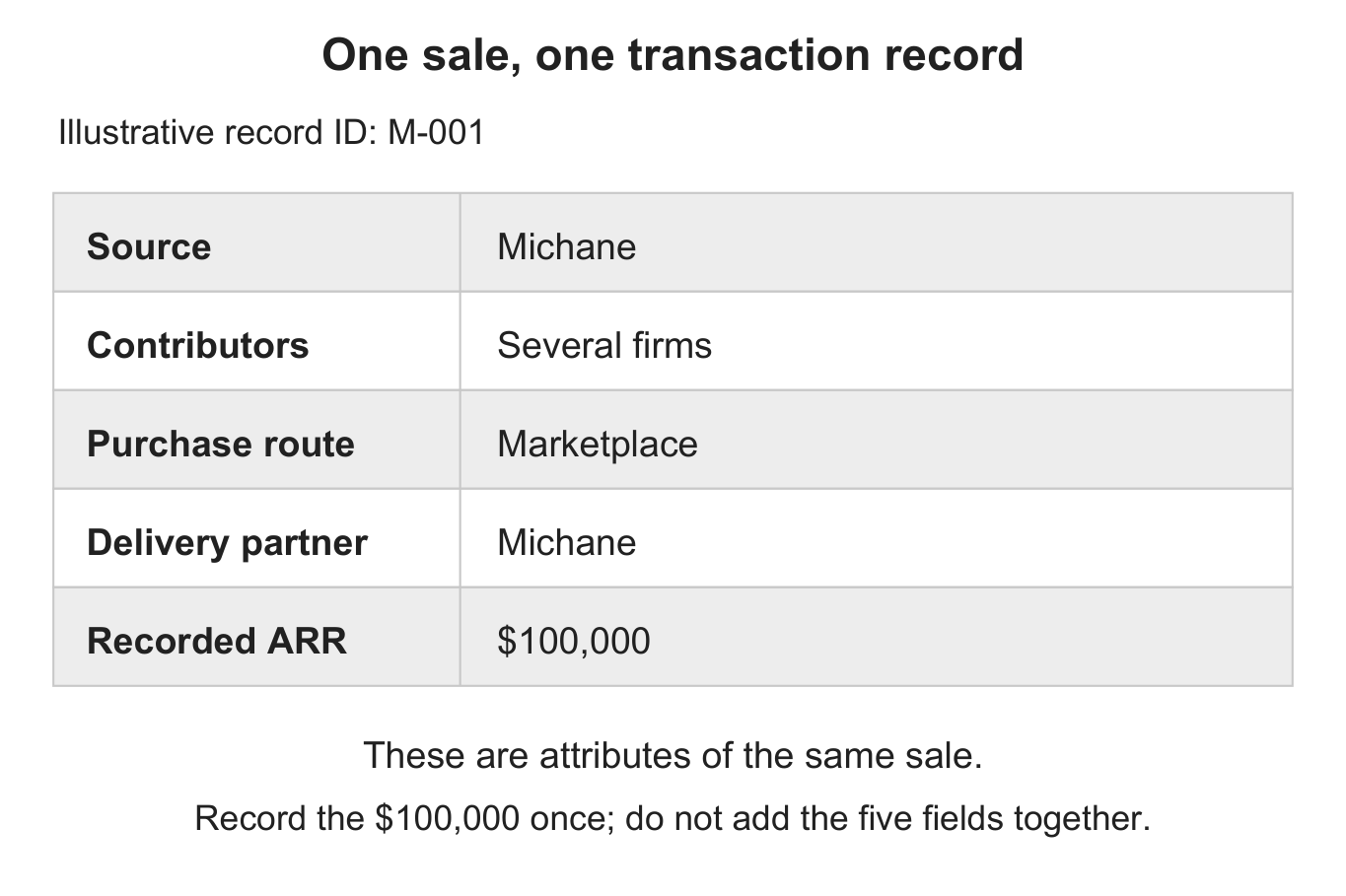
Record source, influence, platform recognition and delivery as separate facts about the work. Do not add overlapping attributed amounts into new revenue. The platform controls its own credit rules; verify them before promising a benefit. For technology alliances, agree connector ownership, support and breaking changes. For embedded offers, add revenue-share, roadmap and exit responsibilities.
Check your reasoning.
Choose one answer for each question. You can retry; the explanation is part of the lesson.
Open the answer key
1. Keep the measures and attribution bases separate.
These are different views of a relationship. Recognition, fulfilment and influence are not automatically separate amounts of additional business.
2. Named owners, committed resources, a joint activity and a review decision.
The parties can review commitments and accepted work. A vendor cannot guarantee utilisation simply by signing an alliance.